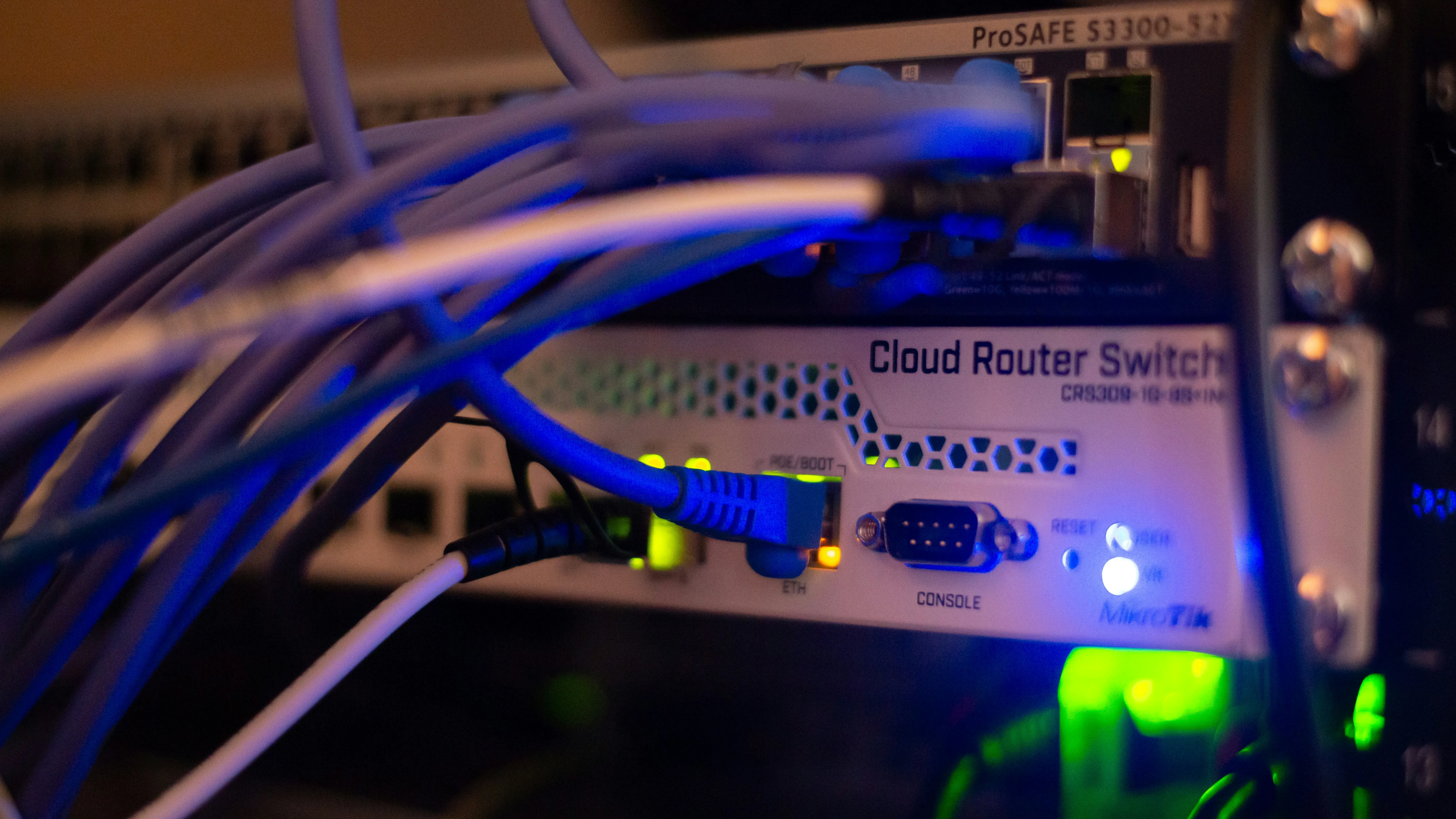
It’s surprisingly common to see cabling jobs that ‘work’ on day one but quietly underperform for years. The network technically passes traffic, but interference, crosstalk and length issues are eroding performance in ways a casual test won’t surface.
What the Fluke DSX actually measures
A Fluke DSX doesn’t just ping. It measures a cable’s electrical performance against the standard for its category — insertion loss, near-end crosstalk, far-end crosstalk, return loss, propagation delay — and reports pass or fail with margins. For Cat6A this is the difference between a cable that says 10G and a cable that does 10G; the Cat6A standard explainer covers why that matters.
Why a printed report matters
You get a PDF per cable. That PDF is your evidence, ten years from now, that the cable was fit for purpose at install. If you ever have to prove due diligence — for an insurance claim, a sale of the building, a compliance audit — that evidence exists.
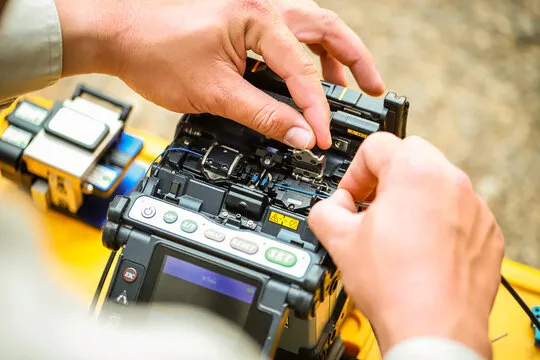
We do the same testing for fibre — every OS2 and OM4 run gets a tier 1 (insertion loss + length) certification before traffic moves across it. The OS2 vs OM4 piece explains why we still test multimode the same way even though it’s “just” a short run.
Why we include it by default
Because cabling is a foundation. Cutting corners on testing means problems surface months later, at which point isolating which run is at fault is expensive. Testing at install is cheap. Testing at failure is not.
Every structured cabling install and cabinet rebuild we deliver comes with full Fluke DSX certification at no extra cost. If you’re inheriting a network and want to know whether the existing runs actually meet their stated category, we can come and re-test the lot.