The site we walked into
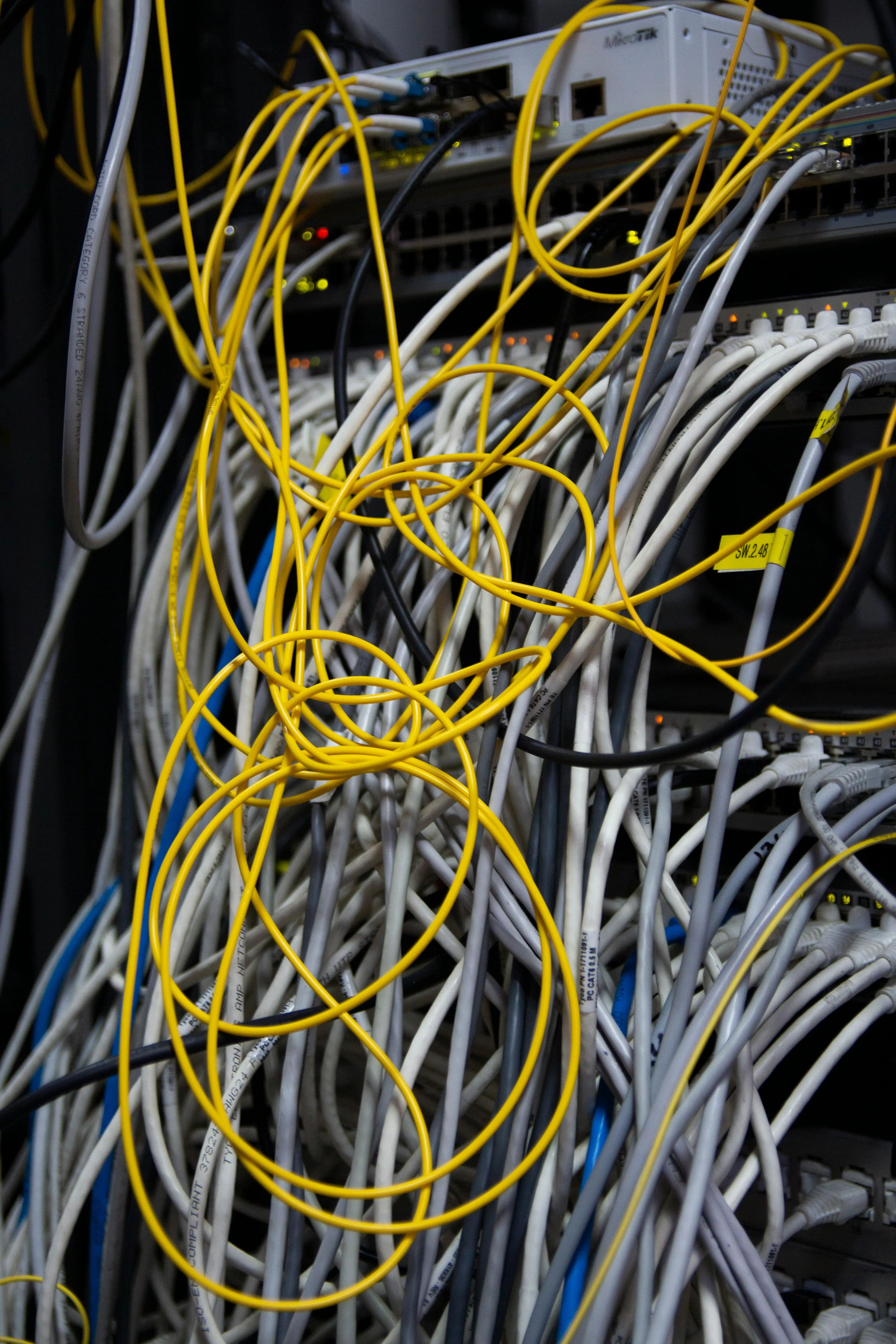
Three comms cabinets in three different rooms, installed by three different contractors across roughly ten years. None of them had a current patch schedule. Two had handwritten labels that had drifted from reality. One had a small piece of A4 paper taped to the inside of the door that, on inspection, related to an earlier version of the network entirely.
Every change to the production floor was a 90-minute archaeology project. Tracing a single cable end-to-end could take an engineer the best part of a morning, and we found multiple instances where the wrong cable had been pulled and a piece of production kit had gone down for reasons nobody had documented afterwards.
The brief wasn’t subtle: bring it back under control without stopping the line.
How we approached it
We refused to start work on day one. Instead we ran three audit visits over a fortnight, each one focused on a single cabinet, recording every port — what was on the other end, whether it carried live traffic, when it had last been touched. By the end of the audit we knew that of the 96 ports across the three cabinets, only 41 were actually in service. The other 55 were a mix of abandoned runs, dead spares and links to equipment that had been decommissioned years before.
That changed the project from a forklift rebuild into something much smaller and more confident. We didn’t need to migrate three cabinets — we needed to migrate 41 live links into one consolidated cabinet, and abandon the rest cleanly.
Two outage windows, planned in advance
Production manager agreed two short outage windows on consecutive Saturdays. Window one: structural — install the new cabinet, run the consolidated fibre backbone from the central plant room, terminate and Fluke DSX certify every new cable while the existing kit still ran on the old cabinets. Window two: cutover — physically move the live patches across one production cell at a time, validate, move on. We did the second cutover with the production engineer alongside us so any disruption could be diagnosed in real time, not the following Monday.
The total production downtime came to under three hours across the two weekends, against a worst-case projection of a full day.
What was installed
- A single floor-standing 42U cabinet with proper horizontal cable management between every patch row and switch
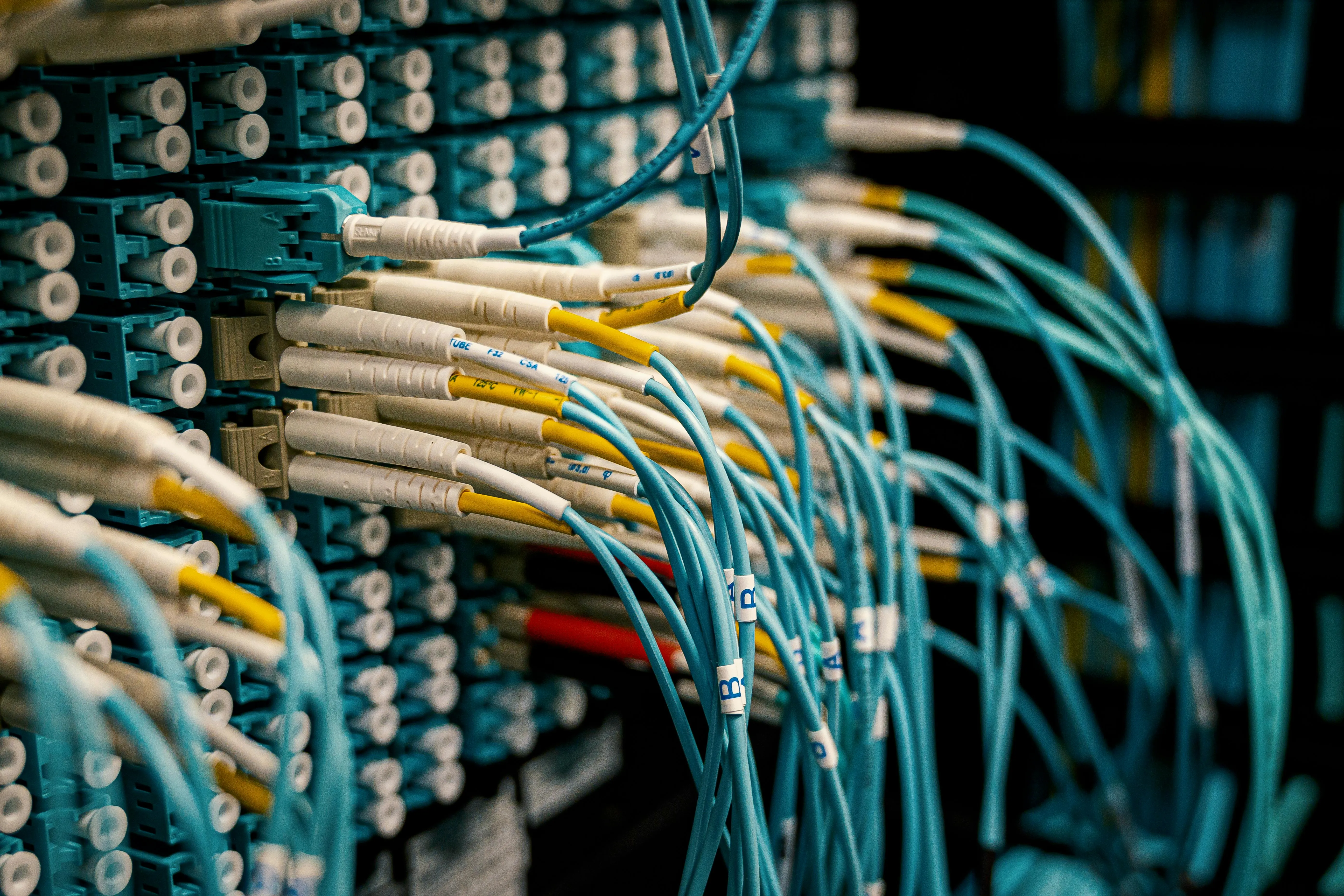
- An OS2 single-mode fibre backbone replacing the OM1 multimode patches that had been struggling at 1G
- Cat6A copper for new desk and machine drops on the production floor
- Velcro everywhere — no zip ties — so future moves don’t need a knife
- A laminated patch schedule on the inside of the cabinet door, plus a master PDF on the customer’s network drive that the site engineer can edit
What it means day-to-day
Adding a new device on the production floor used to be a multi-hour job and a small leap of faith. Now it’s a fifteen-minute job from a patch schedule, and the site engineer can do it himself without us on the phone.
The site has been live for a year as of writing. No mystery outages. No abandoned cables added. The discipline holds because the cabinet itself makes it easy to maintain.