Context
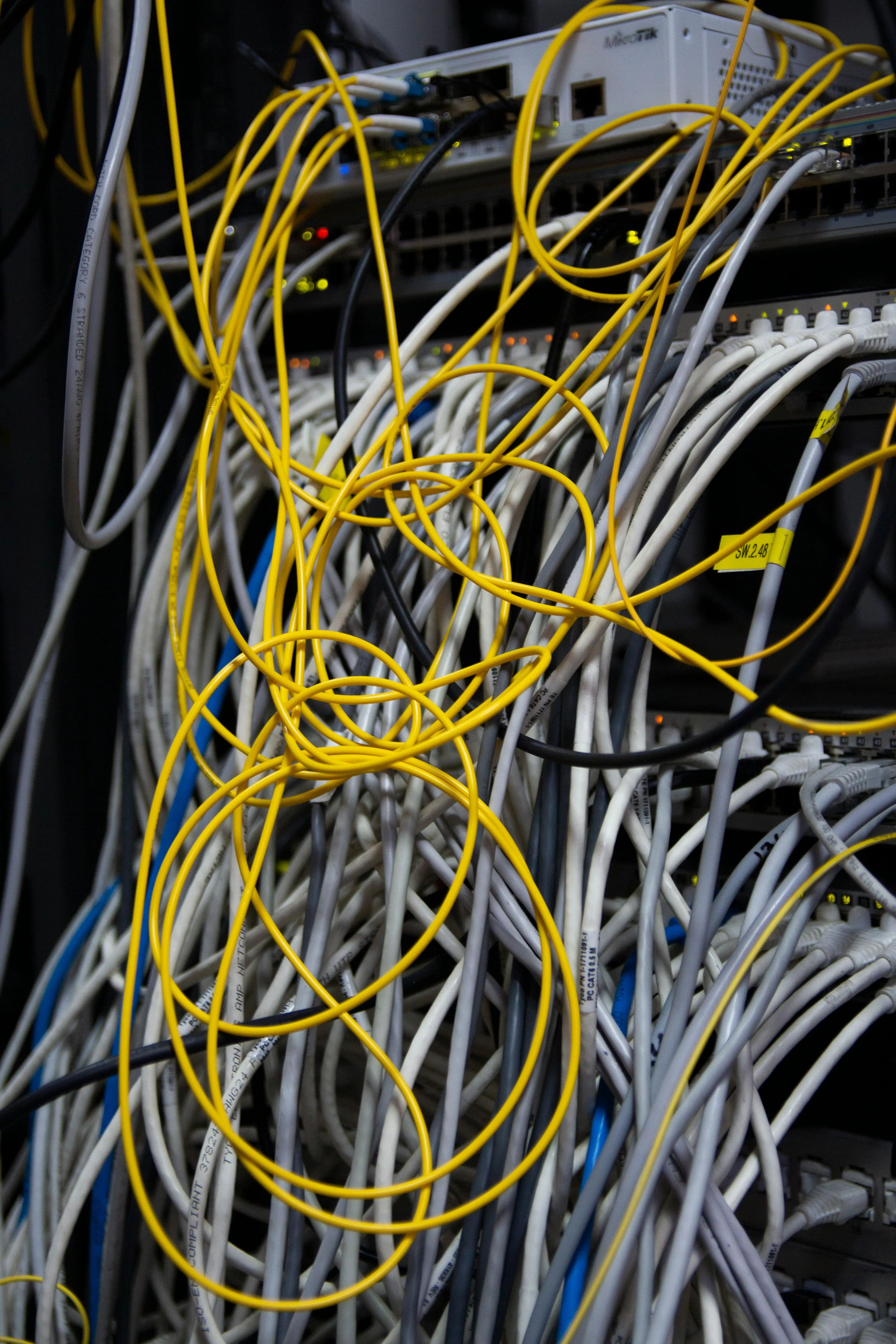
A multi-building secure facility with strict access controls, a 24/7 operational profile and zero tolerance for unplanned outages. The original fibre backbone — OM1 multimode, installed in two phases by different contractors years apart — had become a bottleneck. The site’s switches were ready for 10G; the fibre was struggling at 1G. Fault diagnosis had become slow because splice enclosures from the two previous contractors used different conventions, with documentation that didn’t reconcile.
A refresh was overdue. The constraint was that nothing could go offline during business hours, and any planned maintenance window had to be agreed weeks in advance and signed off by the facility’s security officer.
Survey
Before quoting, we ran a structured audit across every fibre run and splice enclosure. We didn’t just count links — we tested each one with the customer’s existing kit, captured insertion loss and OTDR traces, and built a baseline of what was actually carrying traffic versus what had been spare for years. The audit produced a single-page map showing the as-is network in a way that hadn’t existed before, and which the customer’s own team kept on the wall throughout the project.
The audit also flagged three runs that were carrying traffic but had degraded to the point of intermittent errors — a slow drift that would have caused outages within months. Those went to the top of the cutover schedule.
How we staged the migration
Because the site couldn’t go down, we ran the project as a series of weekend cutovers across six weeks. Each weekend followed the same pattern:
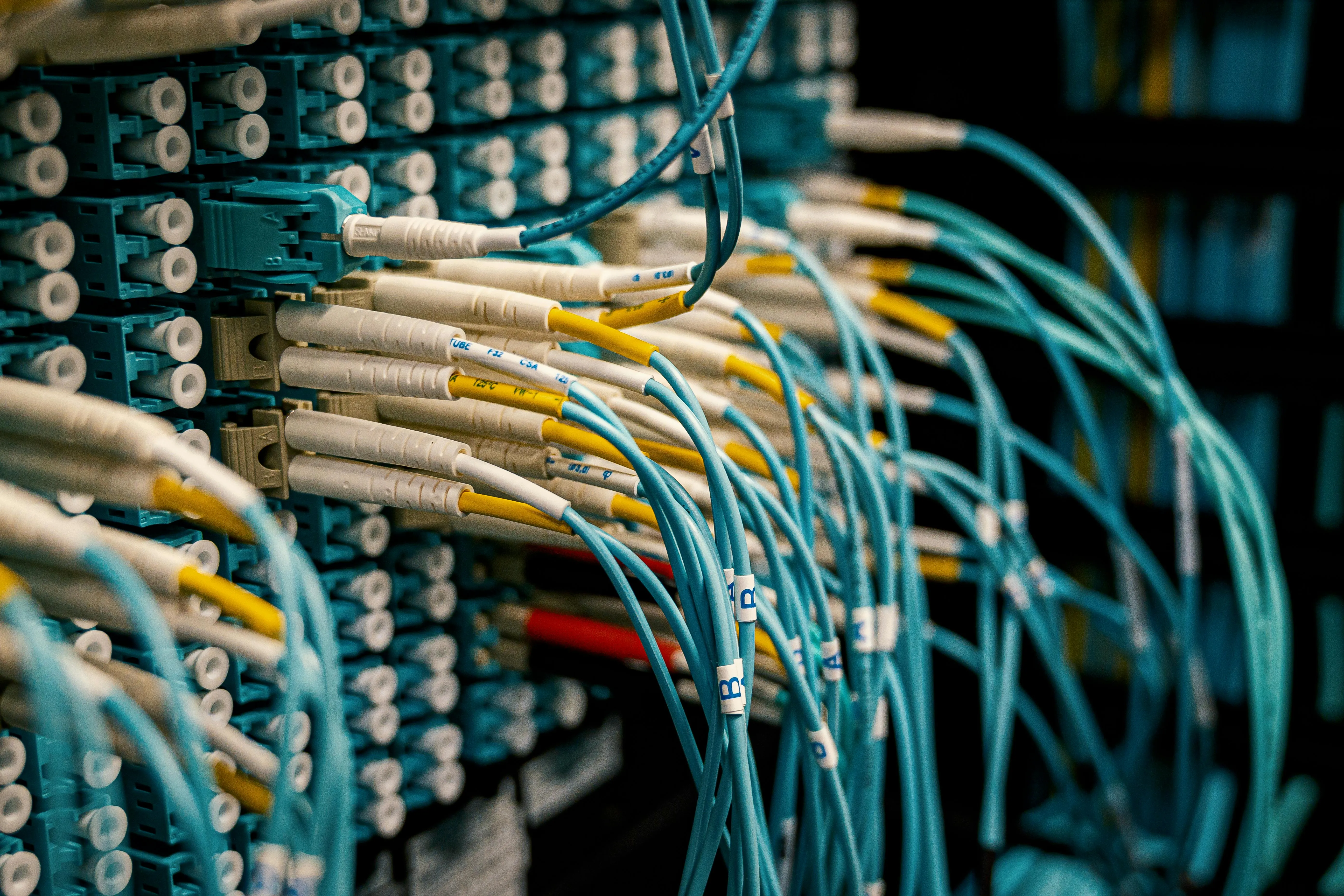
- Friday evening — install new OS2 single-mode runs in parallel with the existing OM1, terminated and Fluke DSX certified before any traffic moved
- Saturday morning — under an agreed 90-minute maintenance window, cut traffic from old to new run; verify
- Saturday afternoon — soak test, monitor for any retransmits or errors
- Sunday — decommission and remove the abandoned OM1 run, update the as-built drawing
- Monday onwards — operational with the new backbone, no follow-up required
No weekend saw more than a single link migrated, which meant any rollback was small and contained. By week six the backbone was entirely new fibre, and the only OM1 left in the site was in storage for parts.
Cabinet rebuilds
The two primary cabinets feeding the backbone also got rebuilt in parallel during the same window. Horizontal cable management between every patch row, labelled patch schedules taped to the inside of every door, Velcro instead of zip ties, and a dedicated section of each cabinet for the new OS2 patch fields. Splice enclosures consolidated to a single convention (Plan-IT spec, documented in the as-built drawing).
The Fluke DSX certification on every new run gave the customer something they hadn’t had before: documented test results they could include in their security audit pack.
What changed
- A 10G-ready backbone, with headroom for 25G/40G when the customer’s switching gets refreshed
- A current as-built drawing that matches the cabinet labels — and stayed current because every change comes with a documentation update
- Splice enclosures consolidated and labelled — fault diagnosis went from “we don’t know yet” to “we know which junction in under five minutes”
- Twenty-five-year warranty on every new run
Zero measured downtime during the cutover. The customer’s monitoring system never paged a real alert across the six weekends — every transition was clean.
The discipline of the site demanded it. The job was to match that discipline with the cabling.